
Picture a quiet cellar, the air thick with the scent of toasted oak and ripe fruit. Towering in neat rows are Wine Cask—silent coopers holding the future of every bottle you love. These curved wooden sentinels aren’t just containers; they’re active ingredients, flavor laboratories, and storytellers rolled into one. Today we dive deep into the world of Wine Barrels, uncovering why winemakers, brewers, distillers, and even interior designers can’t stop talking about them.
Wine Barrels Are Living Ingredients
- Unlike steel tanks, Wine Cask breathe. Over months and years, microscopic oxygen seeps through the staves, softening tannins and integrating flavors. At the same time, the wood contributes vanillin, lactones, and spicy compounds that give wine its signature complexity. In short, Wine Cask are alumni of the grape, teaching raw juice how to become polished wine.
- Oak vs. Pine: Pick Your Flavor Professor
French oak Wine Casklend subtle clove and silky texture; American oak delivers bold coconut and dill; Hungarian oak lands somewhere in between. Pine Wine Cask, lighter and more affordable, are gaining fans among brewers who want gentle resin notes without heavy tannin. Your choice of Wine Barrels is therefore a choice of flavor syllabus. - Size Matters: Surface-to-Volume Magic
A standard 225-liter Bordeaux barrique gives more oak impact per liter than a 600-liter puncheon because the wine touches comparatively more wood. Craft breweries often favor 50-liter mini Wine Cask for rapid turnaround of barrel-aged stouts, while boutique distilleries collect 5-liter Wine Barrels for experimental baijiu finishes. Match the volume to your timeline and intensity goals. - Toast Levels: Light, Medium, Heavy—The Maillard Rainbow
Coopers bend staves over open flames to bend them into shape, simultaneously “toasting” the interior. Light toast preserves raw wood character; medium toast layers in caramel and baking spice; heavy toast drifts toward smoky mocha. Many producers blend wines aged in differently toasted Wine Cask to create a symphonic final blend. - Reuse & Re-Char: Wine Barrels That Never Retire
After four or five vintages, Wine Barrels become “neutral,” meaning they no longer impart overt oak flavors. Savvy cellarmen then re-char the interior, breathing new life into them for whiskey or rum. Others sell neutral Wine Barrels to brewers who want micro-oxygenation without oak sweetness. A single set of Wine Barrels can age wine, beer, spirits, and finally serve as décor—an eco-friendly lifecycle that spans decades. - Beer Meets Barrique: The Sour Revolution
Wild yeast and bacteria love the porous habitat of used Wine Barrels. Brewers fill retired barrels with wort, allowing Brettanomyces to chew through complex sugars, creating tart, funky ales. The result? Limited-release beers that command cult-like followings and prove Wine Barrels are cross-beverage superstars. - Baijiu & Beyond: East Asian Innovation
Chinese distillers traditionally used clay jars, but pioneering producers now finish high-end baijiu in oak Wine Cask. The oak rounds the fiery edges of sorghum spirit and adds vanilla elegance, showing that Wine Cask can bridge continents and cultures. - Home Enthusiast: Mini Wine Barrels for Your Kitchen Counter
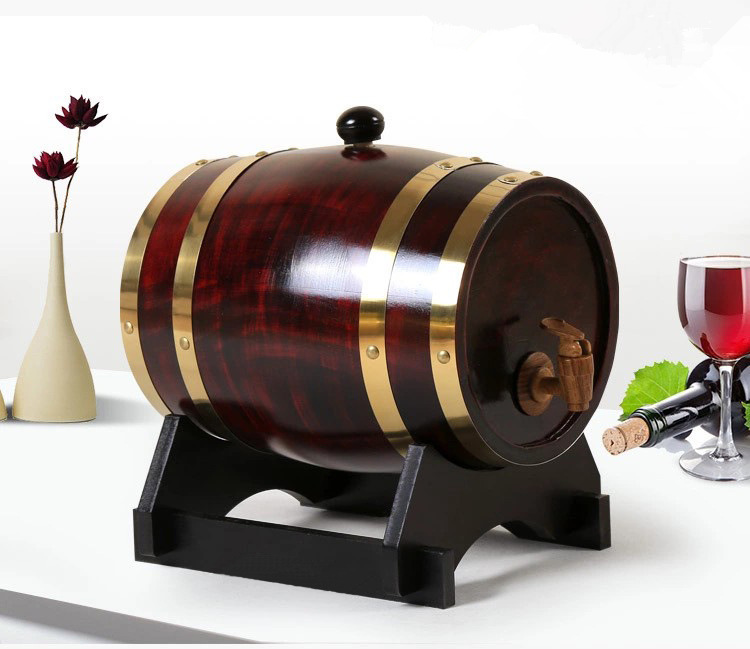
You don’t need a cathedral-sized cellar to play along. Three-liter or five-liter Wine Cask fit on a countertop, turning an everyday Cabernet into an oak-kissed weekend project. Simply fill, taste monthly, and bottle when balance peaks. Bonus: they double as conversation-starting serving pieces at dinner parties. - Décor & Branding: When Wine Barrels Stop Holding Wine
Bars worldwide stack Wine Cask as stools, slice them into coffee tables, or laser-etch logos for retail displays. The instant rustic vibe sells everything from farmhouse ale to wedding receptions, proving the marketing muscle of Wine Cask even when dry. - Caring for Your Investment
Document every fill: variety, toast, age, and duration. Consistent record-keeping turns guesswork into recipe refinement.
Rinse new Wine Barrels with hot water to remove loose tannins.
Never use chlorine-based cleaners; they’ll haunt your wine with musty TCA.
Store empty Wine Barrels in a humid, 55–60 °F environment to prevent stave shrinkage.
Rotate topped-off wine monthly to keep barrels hydrated and micro-oxidation uniform.
Landy is established in 2007. we engaged in the research development and sale of wooden products. Our main products: wooden box, wooden tray, wooden decoration,wooden shelf, wooden pet products ,wood photo frame and so on. Different machines are equipped with in our factory to meet different orders’ requirements.
Get a quote or OEM service, Please contact us: WhatsApp And Phone: +8615166867527 or Email: crystal@ytlandy.com